
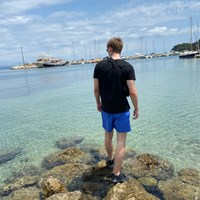
If you’re planning a European getaway for summer 2026, you’ve likely noticed the buzz around a new travel philosophy: the "coolcation."
As global temperatures rise, the smartest travellers are no longer fighting the heat of the Mediterranean - they’re actively avoiding it. By choosing temperate northern destinations or adjusting to a local, climate-conscious rhythm, you can have a European summer that’s refreshing, stress-free, and unforgettable.
Here is your guide to surviving and thriving in Europe this summer.
1. Embrace the "Coolcation" Trend
Why spend your vacation sweating in a crowded plaza when you can trade the swelter for the crisp, clean air of the north? A "coolcation" is a deliberate choice to seek out destinations with naturally temperate climates.
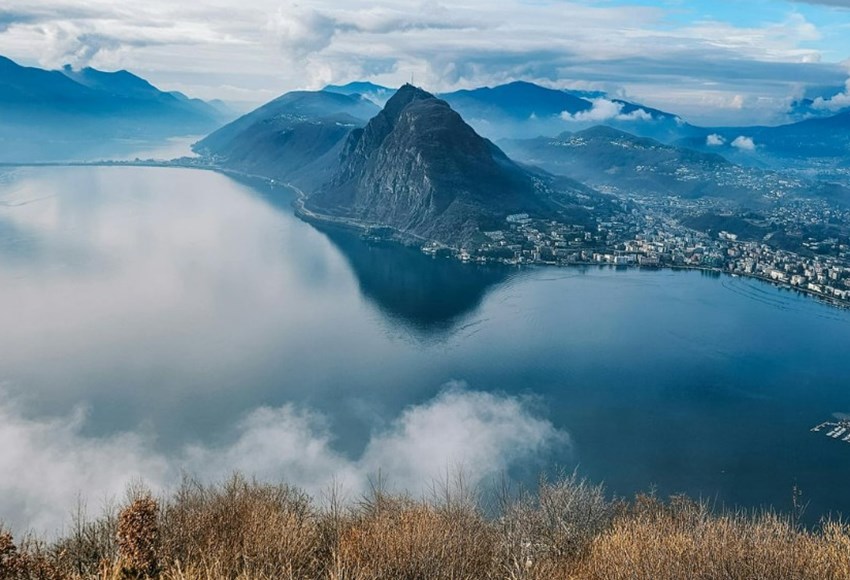
The Destinations: Think Scandinavia (Norway, Sweden, Finland), Iceland, the Baltic states, or even higher-altitude mountain regions in the Alps.
The Vibe: Beyond just being cooler, these regions offer "hushpitality" - a focus on quiet, nature-immersive experiences, open landscapes, and a break from the intense overtourism found in traditional southern hotspots.
Why It Works: You’ll naturally encounter fewer crowds, better air quality, and the ability to enjoy your surroundings rather than trying to survive them.
2. Master the "Local Rhythm"
If your heart is set on the classic sights of Southern Europe, you don’t have to skip them - you just have to adapt. The secret is to stop fighting the heat and start mirroring the locals.
The 11:00 AM – 6:00 PM Rule: Avoid the "all-day march." Save your heavy outdoor sightseeing for the early morning (before 11:00 AM) and the long, breezy evenings (after 6:00 PM).
The Midday Pivot: Use the 1:00 PM to 5:00 PM window for what it’s intended for: indoor, climate-controlled sanctuaries like art galleries, museums, or a long, leisurely lunch in a cool, shaded café.
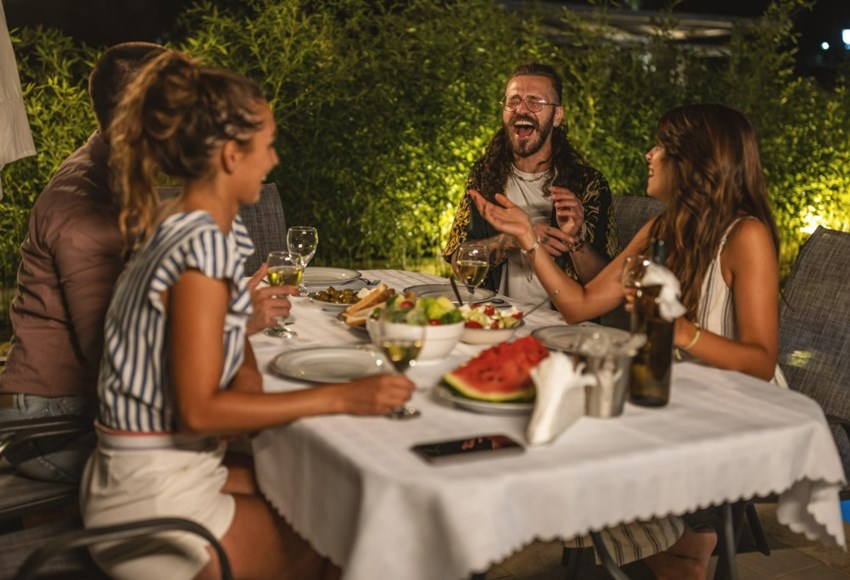
Late-Night Energy: Mediterranean cities come alive at night. By aligning your dinner schedule with the locals (often 8:30 PM or later), you’ll avoid the midday sun and enjoy the best atmosphere of the day.
3. The "Survival" Checklist and Tips for Summer 2026 in Europe
Preparation is the difference between a "nightmare" trip and a dream vacation.
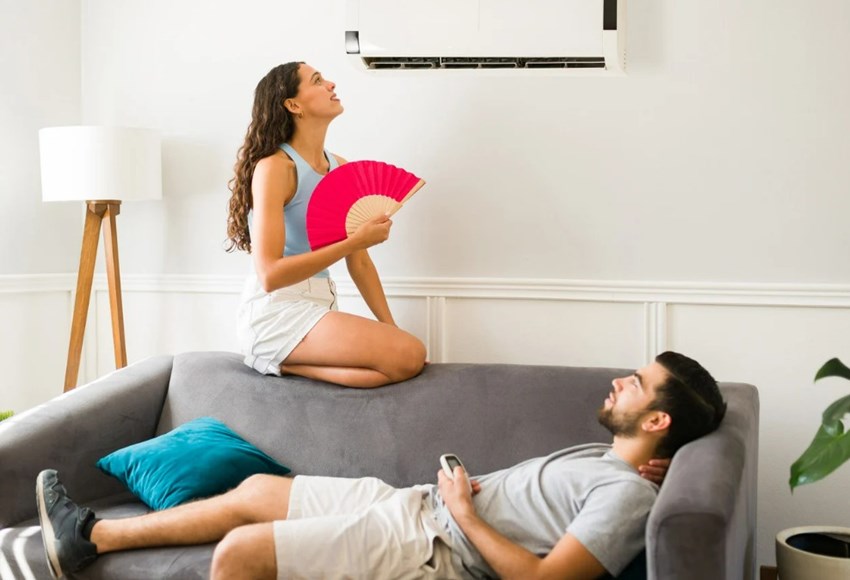
Accommodation Verification: Never assume a hotel has air conditioning. During the booking process, look for the explicit mention of "Air Conditioning." If it just says "fan," or if the description is vague, message the property directly. In 2026, confirmed AC is a non-negotiable comfort. You can sort through accommodations that include Airconditioning by using the Filter (Airconditioning) in the General Tab. Check here for accommodations with Air conditioning in Europe via Leisure Time.
Packing for the Heat: Leave the heavy denim at home. Prioritize linen, lightweight cotton, and moisture-wicking fabrics. Don't forget a wide-brimmed hat, polarized sunglasses, and a reliable, reusable water bottle. Many European cities have excellent public fountains - use them!
Tech Essentials: A 10,000 mAh portable charger is vital; extreme heat drains smartphone batteries significantly faster. Also, ensure you have an eSIM set up before you land so you have constant access to heatwave alerts and real-time transit information.
The "Safety" Kit: Always pack blister plasters and basic electrolyte sachets. You’ll be walking more than you think, and staying hydrated is more than just drinking water.
Air and Light Regulation: A very European mindset is to open the windows in the early hours of the day such as 3 AM or 6 AM and closing them at around 9:00. In addition, a very common thing to do is to close all curtains so that no light can come in during the hottest hours of the day. This will significantly keep the house cooler especially if your accommodation is centered around natural light with a lot of glass.
Location of Accommodations: If you seek to escape the heat, we at Leisure Time would advise you to pick an accommodation near the sea or in the mountains. The sea will give you a chance to cool off and if there is a slight breeze it will also be felt more strongly than when you are staying in a city. On the other hand, the temperatures in the mountains will drop by roughly 1.0°C for every 100 meters. If you seek accommodations that fit this description you can check our itinerary of accommodations filtered by locations such as near the sea or in the mountains via Leisure Time.
Why book your summer 2026 through Leisure Time?
When you choose Leisure Time, you choose holiday enjoyment based on years of expertise and a huge offering. This is why travellers choose us:
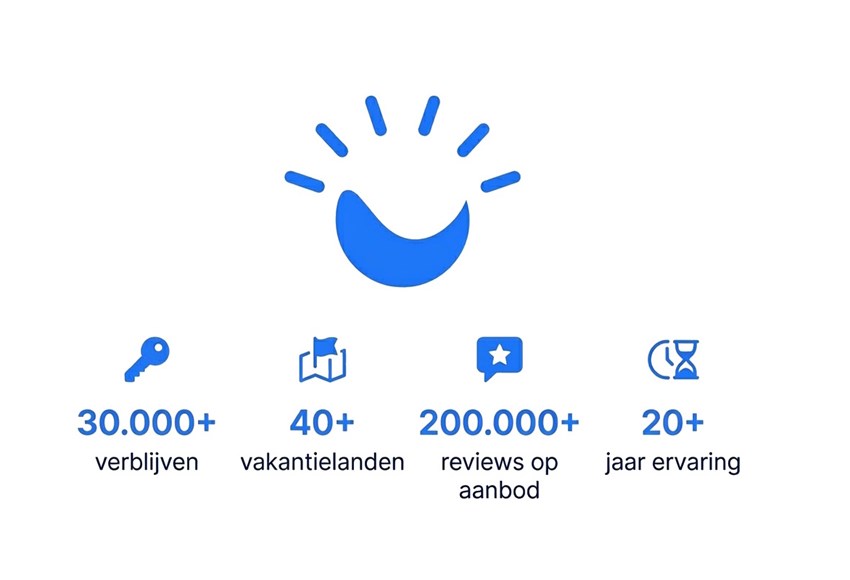
Over 20 years of reliable experience in the travel industry: Since our founding, we have helped hundreds of travellers. Our years of expertise in the travel industry guarantee a professional and safe booking experience.
Choice of 30,000+ stays: Whether you are looking for a luxury villa, a small-scale apartment, or a unique holiday home, our extensive portfolio offers the perfect match for every type of traveller.
Worldwide offering in 40+ countries: From the sunny coasts of the Mediterranean to the most beautiful nature reserves in Europe and beyond; we offer accommodations in the most diverse holiday destinations.
Transparency through 200,000+ reviews: Thanks to hundreds of thousands of verified reviews from previous guests, you always book with peace of mind and know exactly what to expect from your stay.
FAQ: Summer Holiday in Europe 2026
1. How do I prepare for extreme heat during my trip? The most important rule is: adjust your rhythm. In Southern Europe, it is very common for locals to take the "midday dip" seriously.
The 11:00-18:00 principle: Plan active trips (sightseeing, walking) before 11:00 AM or after 6:00 PM.
Seek cooling: Use the hottest part of the day for museum visits, a siesta in an air-conditioned room, or a long, elaborate lunch in the shade.
Hydration is essential: Drink water before you are thirsty. Avoid excessive alcohol and caffeine consumption, as these have a dehydrating effect.
2. What is a "coolcation" and is it for me? A "coolcation" is a conscious choice for a holiday destination with a milder climate. Instead of seeking out the sizzling heat in the south, you travel north or to higher-altitude areas.
Popular destinations: Scandinavia (Norway, Sweden, Finland), Iceland, or the Alps (Austria, Slovenia).
Benefits: You avoid extreme heatwaves, nature is often more expansive and less crowded, and you can enjoy active outdoor activities without becoming overheated.
3. How do I know if my accommodation is truly cool? Do not stare yourself blind at the term "air conditioning" in a general description.
Check specifically: Check in the booking conditions whether air conditioning is actually present. If this is unclear, send the owner or hotel a message: "Is air conditioning available in the bedrooms and is it individually adjustable? Also, check if the filter 'air conditioning' is turned on under the general filter."
Alternatives: If a place does not have AC, ask if fans are present or if the building has natural cooling techniques (such as thick walls or shutters that remain closed during the day).
4. What should I pay attention to when packing for a hot summer? Choose materials that breathe and regulate moisture.
Fabrics: Wear linen, light cotton, bamboo, or special sports fabrics. Avoid synthetic fabrics like polyester or nylon; these do not let air through and make you sweaty.
Color: Light clothing reflects sunlight better than dark clothing.
Protection: A good sun hat (that also protects your neck and ears), sunglasses with CE marking (category 3), and reusable water bottles are essential.
5. What do I do if I end up in a heatwave during my trip?
Stay informed: Follow local weather reports and official warnings (such as the 'bollino rosso' in Italy).
Be flexible: Have you booked a tour or activity that takes place in the middle of the day in full sun? Consider canceling or rescheduling it if the temperature feels unsafe.
Watch out for vulnerable people: Heat hits the elderly, children, and people with health problems extra hard. Be alert for symptoms such as extreme fatigue, headache, or dizziness.
6. Can I still go to popular cities in Southern Europe? Absolutely, but you have to adjust your "tourist DNA." Many travellers make the mistake of trying to visit all the sights between 12:00 and 16:00. That is the recipe for a failed holiday. By adapting to the Mediterranean pace - getting up late, long lunches, dining late - you experience the city in a much more pleasant way.
Looking for the perfect "Coolcation"?
Do you want to know more about where is best to go this year for a holiday that is both refreshing and inspiring? Check out our latest stories for extensive travel guides and hidden gems:
Top 5 Coldest Summer Destinations in Europe (2026) – 'Coolcation'
What can you expect? A selection of destinations where the temperature remains pleasant, perfect for those who love nature, fresh mountain air, and a relaxed pace.
Top 10 Summer Holiday Destinations in Northern Europe (2026)
What can you expect? From the vast fjords in Norway to the atmospheric, cool coastal cities of the Baltic states. This is your guide to the regions that are most in demand this summer among the conscious traveller.
Click here to go to the Leisure Time Stories for more inspiration.