
Whether you're exploring the snowy peaks of the Alps, wandering through the busy streets of Rome, or enjoying the sun on the Turkish Riviera, one question returns every holiday: "Can we actually drink this water?" While we in the Netherlands are used to tap water that rivals the best supermarket brands, the reality in the rest of Europe is much more varied. From ice-cold, mineral-rich mountain water in Scandinavia to chlorine-heavy flows in the south and outdated pipes in the east; quality differs by country and sometimes even by neighborhood. In this ultimate guide for 2026, we lay out the facts, separate myth from reality, and give you the best hacks to quench your thirst sustainably and safely everywhere.
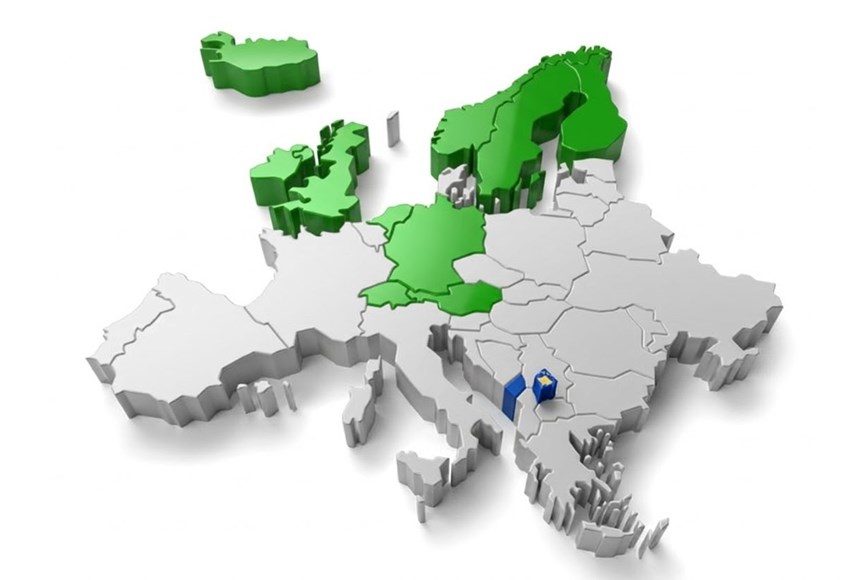
🥇 Group 1: The "Golden Tap" (Premium Quality)
In these countries, the water is often healthier and tastier than from a bottle.
Netherlands: Tip: You will find thousands of free tap points outside in NL. Use the app Drinkwaterkaart.
Germany: Tip: Feel free to order "Leitungswasser" in a restaurant, though they sometimes look at you weirdly because they prefer to sell sparkling water.
Austria & Switzerland: Tip: See a fountain in a village? 99% chance it is ice-cold drinking water from the mountains, unless it explicitly says "Kein Trinkwasser."
Norway, Sweden & Finland: Tip: The water here is extremely soft. You only need half of your normal amount of shampoo!
Iceland: Tip: Let the hot tap run for a bit; the hot water smells like sulfur (eggs) due to the geothermal sources, but the cold water is the purest in the world.
United Kingdom & Ireland: Tip: In London, the water is very "hard" (lots of lime). Good for your bones, less tasty for your tea.
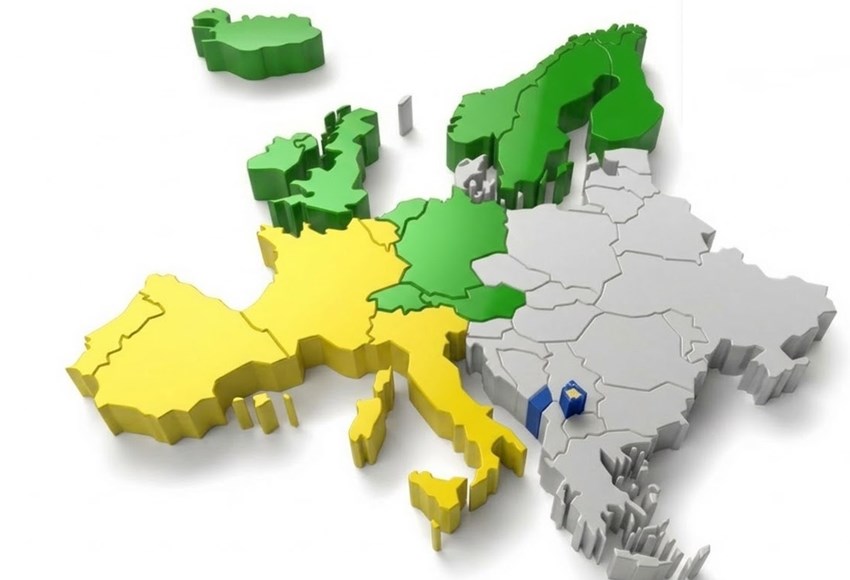
🥈 Group 2: The "Grey Zone" (Safe, but with a Taste)
Complies with all EU requirements, but the chlorine or lime taste is dominant.
Belgium: Tip: Especially in Flanders, the water is very rich in lime. Use a water softener pitcher if you are staying longer for the best coffee taste.
France: Tip: In Paris, the Fontaines Wallace are iconic and free. In Southern France: put a slice of lemon in your water to mask the chlorine taste.
Spain: Tip: In Madrid, the water is top-notch. In Barcelona or on the Coasts: only use it for brushing teeth and coffee; for pure drinking, most tourists here choose bottled.
Italy: Tip: Download the app I Nasoni di Roma to find all 2500+ free drinking points in the capital.
Portugal: Tip: The water in Lisbon is fine, but in the Algarve, it can sometimes have an "earthy" taste due to drought and deep groundwater extraction.
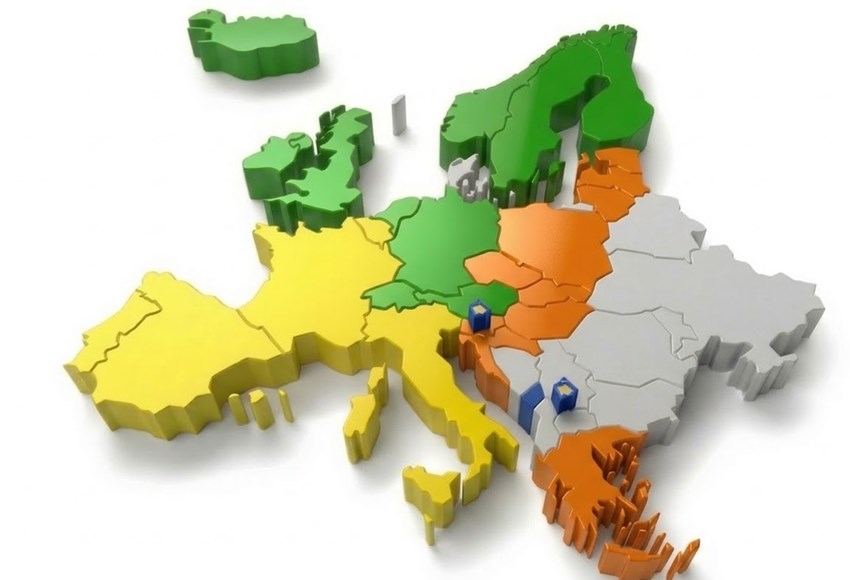
🥉 Group 3: "Smart Tapping" (Look at the surroundings)
Modern in the cities, outdated in the countryside.
Greece (Mainland): Tip: Athens and Thessaloniki are safe. Island hack: Buy large 6-liter packs in the supermarket; that is 70% cheaper than separate small bottles.
Poland, Czech Republic & Hungary: Tip: In Budapest and Prague, the pipes in the old city center are often made of lead. Always let the tap run cold for 30 seconds before you drink.
Croatia & Slovenia: Tip: In Slovenia, water is a basic right. You can drink from the tap almost everywhere. In Croatia: be careful on the small islands (just like in Greece).
Estonia, Latvia & Lithuania: Tip: The water is safe but often contains a lot of iron. It can have a slight metallic aftertaste which is harmless.
🔴 Group 4: The "Bottled Countries" (Prevent the holiday belly)
Better not to drink directly from the tap here.
Turkey: Tip: Even for tea, the locals boil tap water for a very long time. As a tourist: stick to bottled water, also for brushing teeth in rural areas.
Albania & Montenegro: Tip: The water is often over-chlorinated to kill bacteria. The taste is terrible and your stomach can react strongly to it.
Bulgaria & Romania: Tip: In modern hotels in Bucharest, it is often okay, but the pipes in residential areas are unreliable. "Better safe than sorry."
Ukraine & Moldova: Tip: The heavy metals and contamination in the groundwater make tap water here unsuitable for direct consumption.
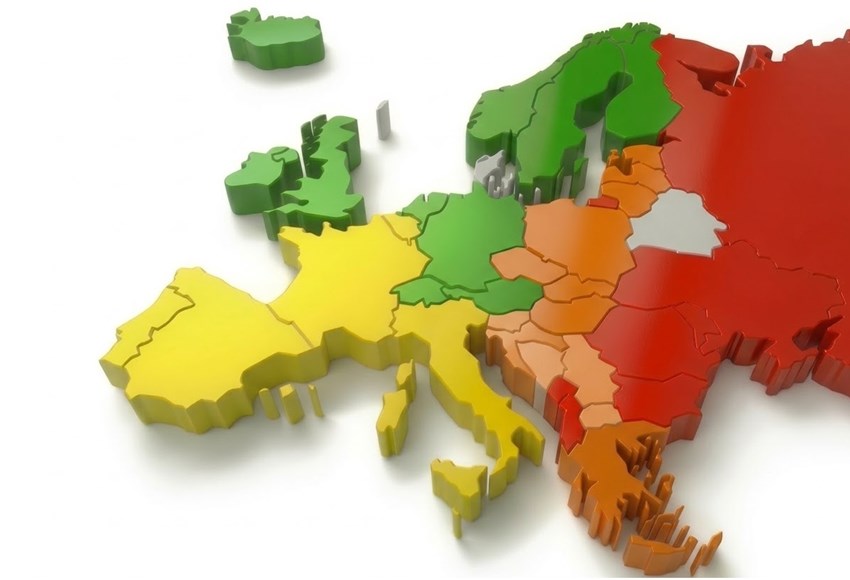
💡 The "Golden Travel Hack" for 2026
Buy a LifeStraw or a Grayl filter bottle. With this, you can turn dubious tap water in Albania or Turkey into safe drinking water within 10 seconds. It costs you €50 once, but it saves you hundreds of euros in bottled water and a lot of plastic waste!
Frequently Asked Questions about Tap Water in Europe (FAQ)
1. Is it safe to brush my teeth with tap water in "Group 4" countries? In most cases, brushing your teeth is safe, as long as you do not swallow the water. However, do you have a very sensitive stomach or are you in a very remote area in, for example, Albania or Moldova? Then, to be safe, also use bottled water for brushing to minimize any chance of bacteria.
2. How do I recognize if a public fountain is drinkable? Standard signs apply in Europe. Look for the text "Potable" (English/French), "Trinkwasser" (German), or a pictogram of a glass with a tap. Do you see a red cross or texts like "Non-potable," "Kein Trinkwasser," or "Eau non potable"? Then the water is not intended for consumption.
3. Will I get sick from the chlorine taste in Southern Europe? No, chlorine is added to kill bacteria and keep the water safe during transport through the pipes. Although the smell and taste can be annoying (it often reminds one of a swimming pool), it is perfectly safe for health within EU standards. Pro-tip: Let a carafe of chlorinated water stand in the refrigerator for an hour without a cap; the chlorine will then largely evaporate, improving the taste.
4. Why does the water in London or Brussels taste different than in the Netherlands? This has to do with water hardness. In cities with a lot of lime (calcium and magnesium) in the ground, the water is "harder." This is not unhealthy—some studies even suggest it is good for the mineral balance—but it affects the taste of your coffee and tea and causes faster limescale buildup in kettles.
5. Can I trust ice cubes in my drink? In countries from Group 1 and 2, this is no problem at all. In countries from Group 4 (such as Turkey or the Balkans), ice cubes in tourist hotels are often made from filtered water, but in local bars, this can be tap water. When in doubt: order your drink "no ice."
Discover inspiration for your summer holiday
Would you like to go on holiday during the summer break but you don't know where to yet? Then perhaps check out our top lists for the summer holiday in 2026? Below you will find our other blogs, full of inspiration so that you too can start your holiday well:
Top 5 Budget-friendly Summer Destinations in Europe 2026: Complete Guide
Top 10 sunny May holiday destinations for 2026
Additionally, on our Stories page, you will find many more travel ideas, tips, and holiday inspiration for 2026. Get inspired and plan your perfect holiday: 👉 View all blogs and stories on our Stories page and discover the best destinations, accommodations, personal stories, and tips for your summer holiday!