An in-depth analysis of how and why travel behavior is changing worldwide.
Travel in 2026 will be characterized by a clear shift: less focus on quantity and more attention to quality, meaning, and personalization. Global travel trends for 2026 show that travelers are becoming more conscious about time, health, technology, and impact. This blog provides a detailed explanation of the ten most important travel trends of 2026, focusing on the underlying causes, concrete applications, and relevance for both travelers and the travel industry.
1. AI-Driven Travel Planning & Hyper-Personalized Journeys
Personalized Routes and Recommendations: Travelers are using AI to get customized experiences. For example, a city trip to Tokyo can automatically suggest the quietest museums, cafes, and hidden streets, based on previous preferences.
Real-time adjustments: AI can dynamically respond to weather conditions, crowds, and events. A visit to Venice can be planned to avoid crowds at the Rialto Bridge or popular markets.
Smart combinations: AI tools combine flights, accommodation, and activities into optimal routes, saving time and energy.
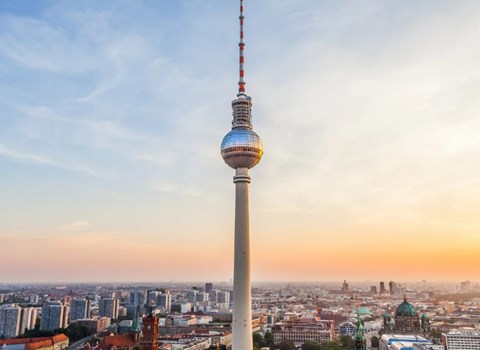
Unique insights: AI also enables cultural discoveries. Some apps can predict local traditions and events that tourists wouldn't normally find, such as small village festivals in Tuscany or unexpected art exhibitions in Berlin.
Tips:
Try AI travel apps that combine reviews with local insider tips.
Experiment with dynamic updates during your trip to discover hidden gems.

2. Sustainable and Regenerative Travel
Positive impact: Travel is used to actively improve the environment. For example, participating in reforestation projects in Costa Rica or supporting small-scale local businesses.
Small-scale experiences: Accommodations and activities are locally managed, from guesthouses to workshops with artisans.
Regenerative Tourism: Not just minimizing damage, but actively contributing to nature restoration and cultural preservation.
Unique insights: This trend is also growing due to awareness of climate change and the desire to consume sustainably. For example, some tourists deliberately choose destinations that support active social projects or where local communities co-shape the guest experience.
Example: In Peru, during an Andes trek, you can participate in local water and agricultural projects while learning about the culture of indigenous communities.
Tips:
Check if accommodations have a sustainability certificate.
Ask about projects you can support as a traveler.
3. Slow travel and longer stays
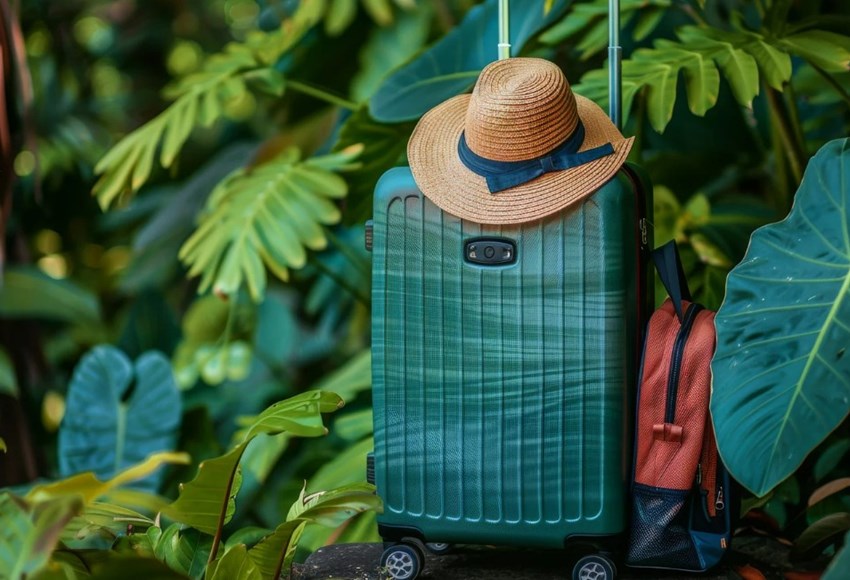
Deep cultural immersion: Longer stays in a city or village allow you to experience local customs, festivals, and routines.
Participation in local society: From local cooking classes to village festivals and market days, travelers become part of the community.
Mental benefits: Less travel means less stress and more time for reflection, creativity, and self-development.
Unique insights: Slow travel emerged partly as a counter-reaction to mass tourism and short city trips. Studies show that longer stays significantly increase travelers' sense of connection and satisfaction.
Example destination: Kyoto, Japan - rent an apartment for a month and learn local rituals, such as tea ceremonies and seasonal festivals.
Tips:
Choose a destination you can explore for several weeks without getting bored.
Combine with remote work or courses for a valuable experience.
4. Wellness, Mental Health, and Preventive Health Travel
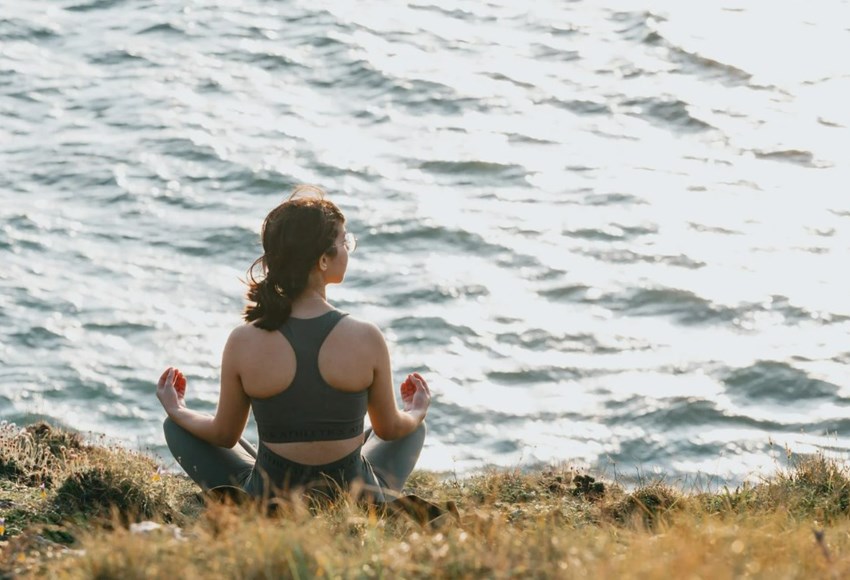
Digital Detox: Screen-free retreats to mentally reset.
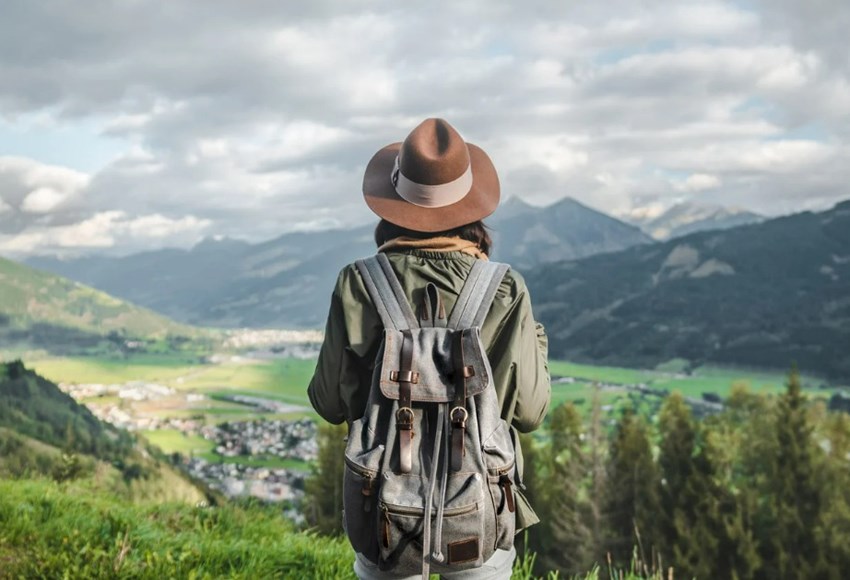
Nature-based activities: Hiking, meditation, yoga, and mindfulness in wooded or mountainous environments.
Preventive health programs: Retreats that combine nutrition, exercise, sleep, and mental training.
Unique insights: This trend aligns with the global focus on mental health. Travelers are increasingly viewing their trips as an investment in well-being and quality of life, with stress reduction and recovery taking center stage.
Example destination: Swiss Alps - wellness retreat with yoga, meditation, and hikes through peaceful mountain areas.
Tips:
Plan wellness moments throughout your trip.
Choose programs that combine holistic health with culture and nature.
5. Set-jetting and Story-Driven Travel
Cultural Storytelling: Visits to film locations, books, or game worlds where stories are central.
Depth over Sightseeing: Not just visiting the location, but also understanding its history, cultural context, and significance.
Interactive Experiences: Workshops, tours, and local events enhance the experience.
Unique insights: Set-jetting combines entertainment with learning. Visitors develop an emotional connection to the location, for example, by learning about the historical context of the film set or literary location.
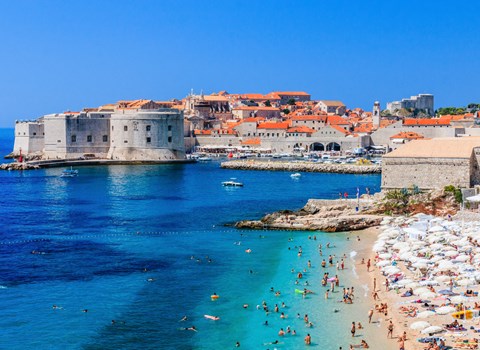
Example Destination: Dubrovnik, Croatia - Game of Thrones tour combined with a workshop on local history and folklore.
Tips:
Combine set-jetting with nearby cultural attractions.
Make time for storytelling moments, such as guides or documentaries that provide background information.
6. Nature Travel, Mountains, and Destinations for Silence
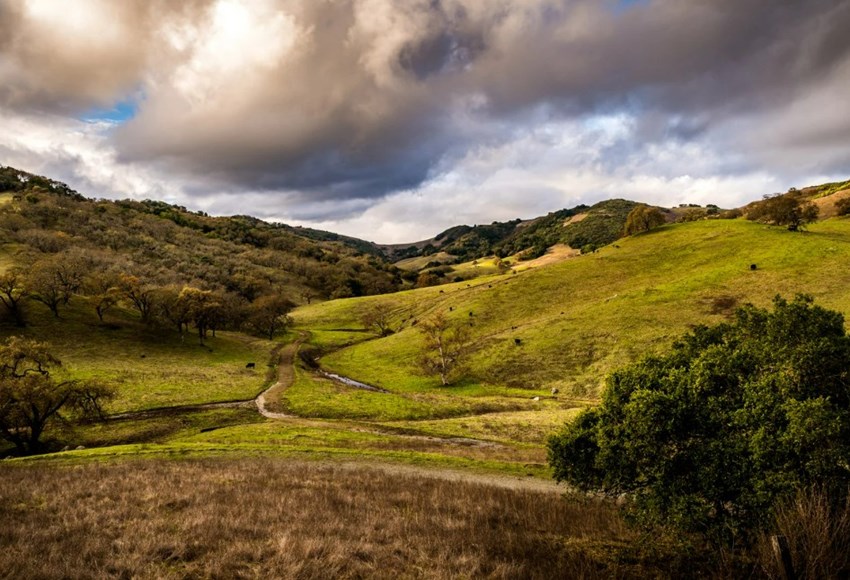
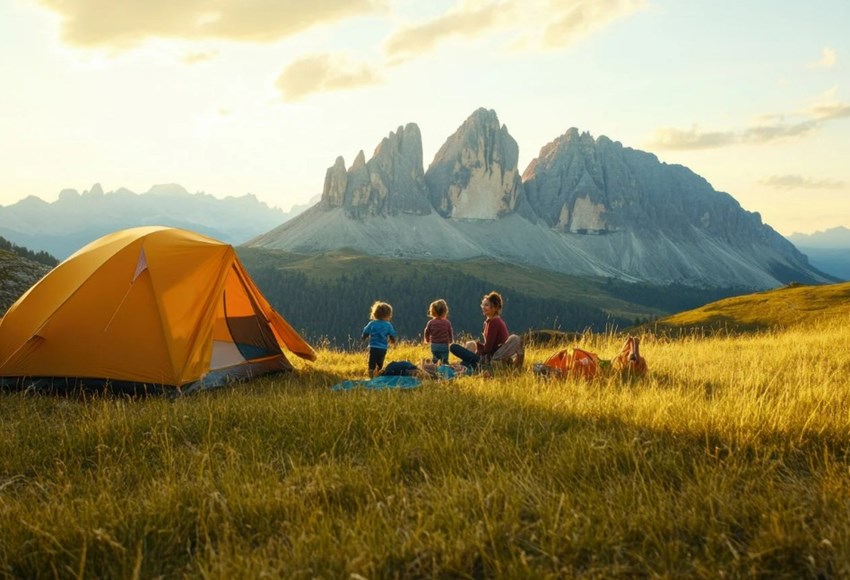
Recovery and Rest: Remote areas offer mental space and physical relaxation.
Balance between activity and tranquility: Hiking, birdwatching, trekking, and nature photography are core activities.
Prolonged connection: Spending several days in nature enhances the experience.
Unique Insights: Studies show that prolonged exposure to nature lowers stress levels and increases creativity, making this type of travel particularly valuable for mental health and quality of life.
Example destination: Norwegian fjords - trekking, kayaking, and staying in cabins, combined with wildlife observation.
Tips:
Avoid peak season
Integrate physical activity with moments of reflection.
7. Culinary Travel and Local Food Culture
Food as a gateway to culture: Local markets, street food tours, and traditional dishes.
Active participation: Workshops with chefs or on farms.
Stories Behind Dishes: Understanding Origins, Ingredients, and Traditions.
Unique insights: Culinary travel connects taste and heritage. For example, Mexico City offers not only street food but also historical context about ingredients like cocoa and corn.
Example Destination: Mexico City - market tour, mole workshop, and dinner with a local family-run business.
Tips:
Go off the beaten path for authentic experiences.
Learn about the cultural significance of dishes.

8. Accommodation as an Experience
Stay with character: Boutique hotels, historic buildings, and ecolodges with local architecture.
Integration of activities: Workshops, tours, and cultural programs on-site.
Sustainability and Design: Local materials and art enhance authenticity.
Unique insights: In 2026, accommodations will become active participants in the experience, with design, storytelling, and culture playing a significant role.
Example destination: Barcelona, Spain - stay in a boutique hotel with a local art exhibition and tapas workshops.
Tips:
Choose accommodations that reflect the destination's identity.
Check if any activities or cultural programs are offered during your stay.

9. Micro-adventures and short trips
Short, intensive experiences: Themed weekend trips or day trips such as kayaking, hiking, or cultural activities.
Flexible and accessible: Ideal for busy schedules.
Local discovery: Trips can take place close to home, making travel more accessible.
Unique insights: Micro-adventures make it possible to have new experiences regularly, contributing to a sense of adventure without a significant time investment.
Example destination: Ardennes, Belgium - hiking, kayaking, and local gastronomy over a weekend.
Tips:
Focus on a theme or activity for maximum experience.
Combine with local culture for added value.
10. Event-driven travel and temporary experiences
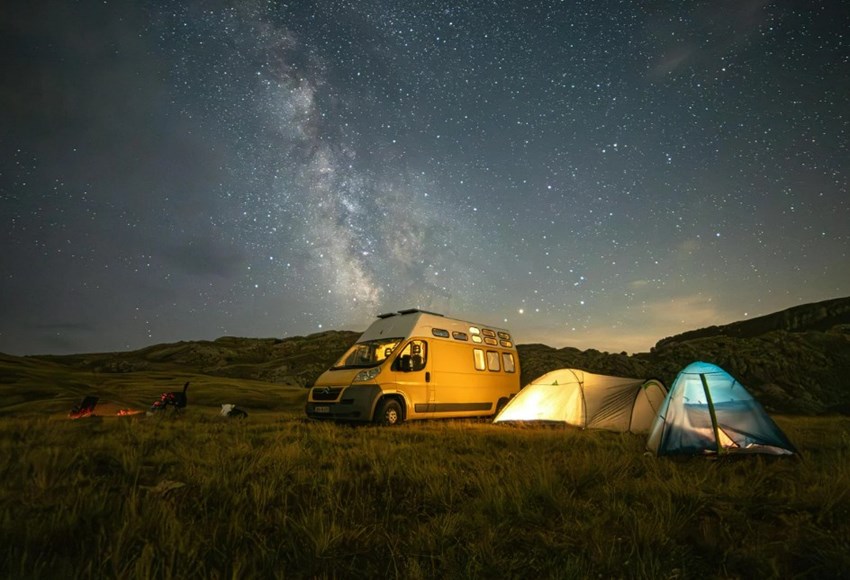
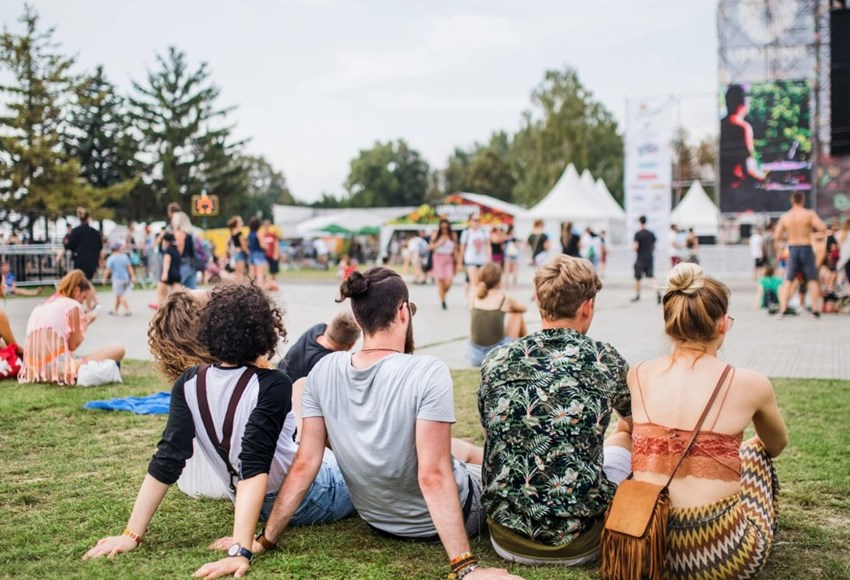
Traveling around events: Festivals, sports tournaments, or natural phenomena.
Temporality and Exclusivity: This creates memorable moments.
Cultural, entertainment, and nature combination: Holi festival in India, Wimbledon in London, and wildlife migration in Africa.
Unique insights: Event-driven travel capitalizes on experiences that are only temporarily available, increasing the sense of urgency and exclusivity.
Example Destination: Reykjavik, Iceland - Northern Lights tour combined with local nature education and culinary experiences.
Tips:
Book early and plan logistics carefully.
Combine the event with nearby attractions.
Frequently Asked Questions (FAQ) about Global Travel Trends 2026
1. What are the main travel trends in 2026?
In 2026, the focus will be on personal, cultural, and meaningful experiences. Travelers are increasingly choosing sustainable and regenerative travel, slow travel with longer stays, wellness and mental health, set jetting around films/series, micro-adventures close to home, and traveling around events or unique moments.
2. Why is sustainable travel so important in 2026?
Sustainable and regenerative travel is not just a trend but is increasingly becoming the standard. Travelers want to make a positive contribution to nature and local communities, not just minimize their impact. There is more interest in eco-initiatives such as locally produced souvenirs or projects that enhance nature and culture.
3. What does 'slow travel' mean, and why is it growing?
Slow travel means longer stays and deeper immersion in a location, rather than rushed trips to as many destinations as possible. In 2026, people will want peace, contact with locals, and authentic cultural experiences—not just 'checklist tourism.'
4. What are microadventures, and why are they becoming popular?
Microadventures are short, local trips lasting one to several days that offer intense experiences without extensive planning or long distances. They are ideal for busy schedules and are becoming popular because travelers are increasingly choosing more meaningful moments instead of one long vacation.
5. What exactly does set jetting involve?
Set jetting means traveling to locations that appear in films, series, books, or games. In 2026, this trend is strongly connected to stories: travelers don't just want to see the photos; they want to experience the underlying history and culture.
6. What role will AI play in travel in 2026?
AI and technology are used for personalization, real-time tips, and recommendations. Travelers can now plan flexibly and have their trip adjusted based on weather conditions, crowds, or events, ensuring greater flexibility and better experiences along the way.
7. Is wellness travel the same as a regular vacation?
No. In 2026, wellness travel will go beyond relaxation or spa visits. Travelers are increasingly choosing trips that combine mental health, stress reduction, sleep optimization, and preventive health, often in natural settings like mountains or forests.
8. Why are more and more people choosing to travel close to home?
Traveling close to home fits the trend of micro-adventures and makes travel accessible, flexible, and less burdensome. It also aligns with trips focused on tranquility, nature, and local culture within your own region or country.
9. How will event-driven travel change in 2026?
Travel around events - such as sporting events, festivals, or astronomical phenomena—is growing because travelers are combining such time-bound experiences with culture and nature. This makes the journey not only memorable but also emotionally charged.
10. What are emerging travel trends beside the standard top 10?
Beyond the major trends, we also see:
Skillcations: travel combined with learning a skill or hobby.
Shelf-ie souvenirs: sustainable local souvenirs that preserve stories.
Experience-driven hotel choices, where the stay itself becomes the purpose of the trip.
These highlight how travel is increasingly about experience, personal development, and cultural connection.
11. How do I prepare for travel in 2026?
Think about what you want to experience instead of what you want to see.
Consider longer stays or slow travel to truly get to know the culture and surroundings.
Combine wellness, nature, or educational activities to make your trip more meaningful.
Plan ahead around major events or special occasions.
12. What destinations are trending for 2026?
According to recent reports, some destinations are showing strong growth in popularity, such as Bermuda, St. Kitts, Turks & Caicos, and Crete. This indicates a diversification of popular destinations beyond traditional hotspots.
Discover inspiration for your summer vacation
Would you like to go on vacation during the summer holidays, but you don't know where yet? Then perhaps take a look at our top lists for the summer vacation in 2026? Below you'll find our other blogs, packed with inspiration so you can also enjoy a great vacation:
Top 5 Summer Destinations in the Netherlands (2026) - Discover special hidden gems in the Netherlands for a relaxing vacation.
Top 10 Summer Vacation Destinations in Europe (2026) - Get inspired by the most popular destinations in Europe, from sun-drenched beaches to cultural cities.
Additionally, you'll find many more travel ideas, tips, and vacation inspiration for 2026 on our Stories page. Get inspired and plan your perfect vacation:
👉 Check out all the blogs and stories on our Stories page and discover the best destinations, accommodations, personal stories, and more.